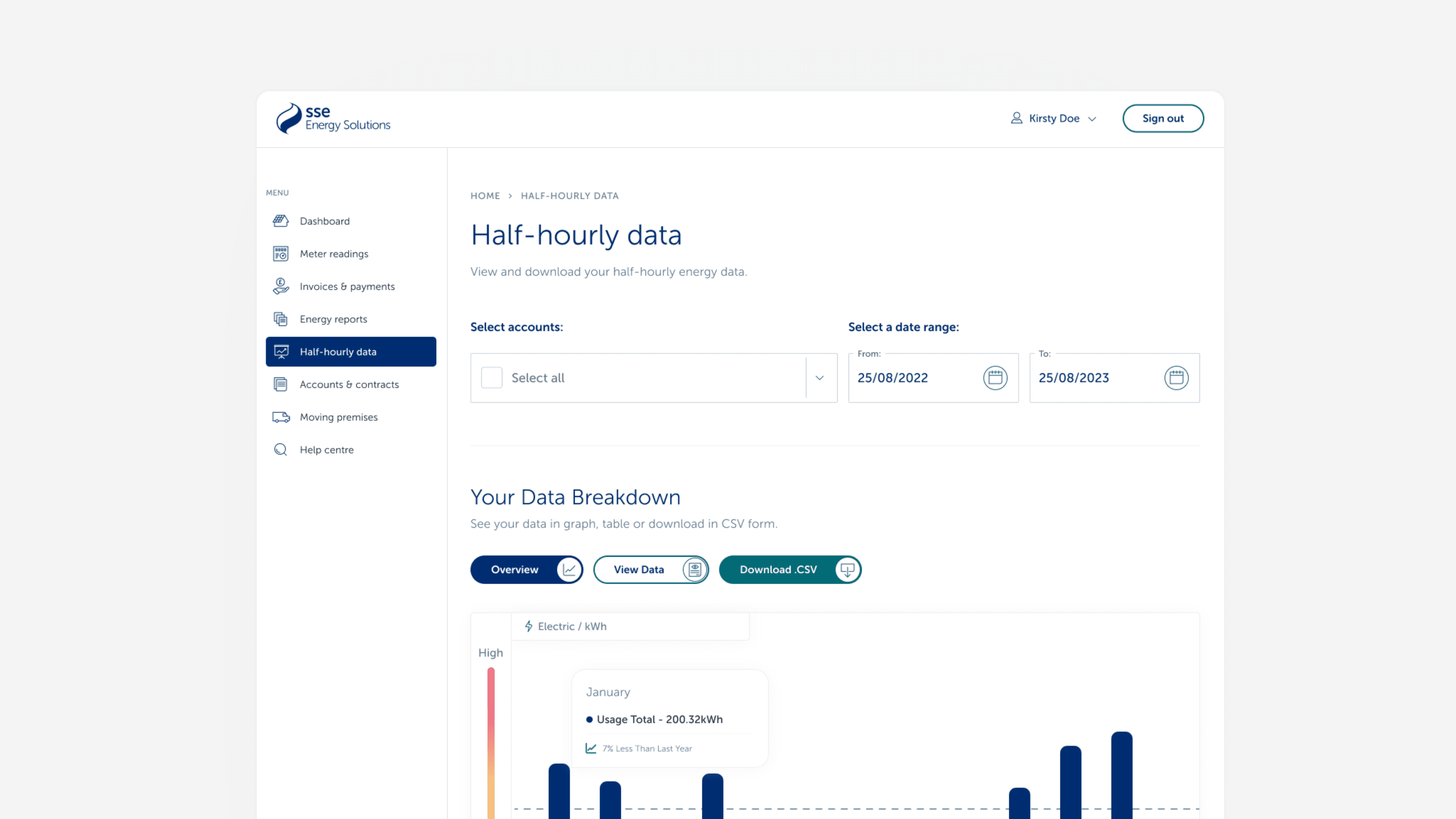
The Brief
SSE wanted to rethink how we provided half-hourly energy data to business customers. This dataset is incredibly powerful as it shows exactly when energy is being used throughout the day and gives organisations the ability to spot inefficiencies, reduce waste, and make smarter operational decisions.
But before we could redesign anything, we needed to understand a very simple question: How do customers actually use this data?
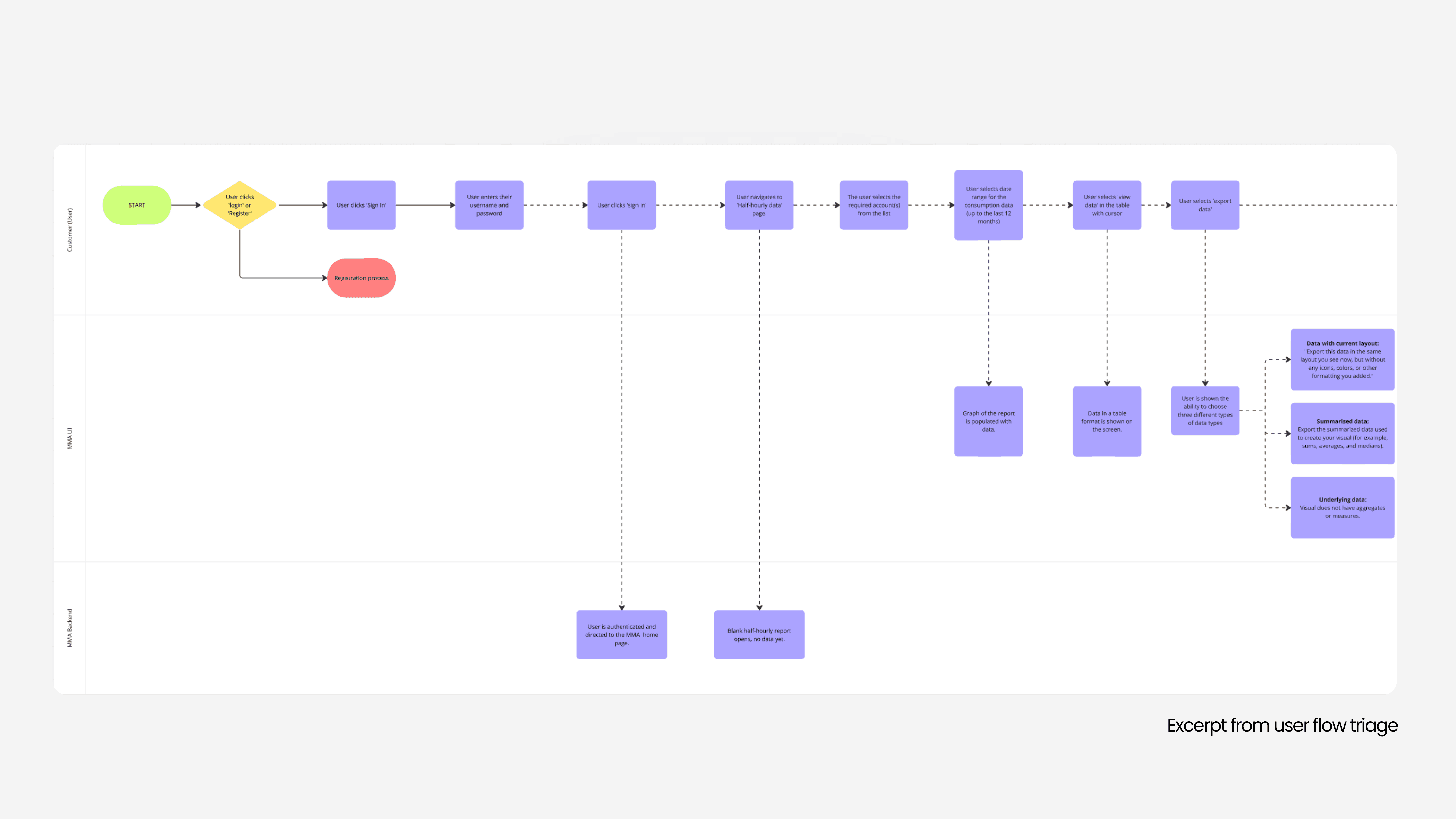
I started by speaking with product owners, analysts, and the customer support teams who regularly handled questions about the reports. Everyone had assumptions about what customers needed, but the reality turned out to be very different from what we expected.
User Research
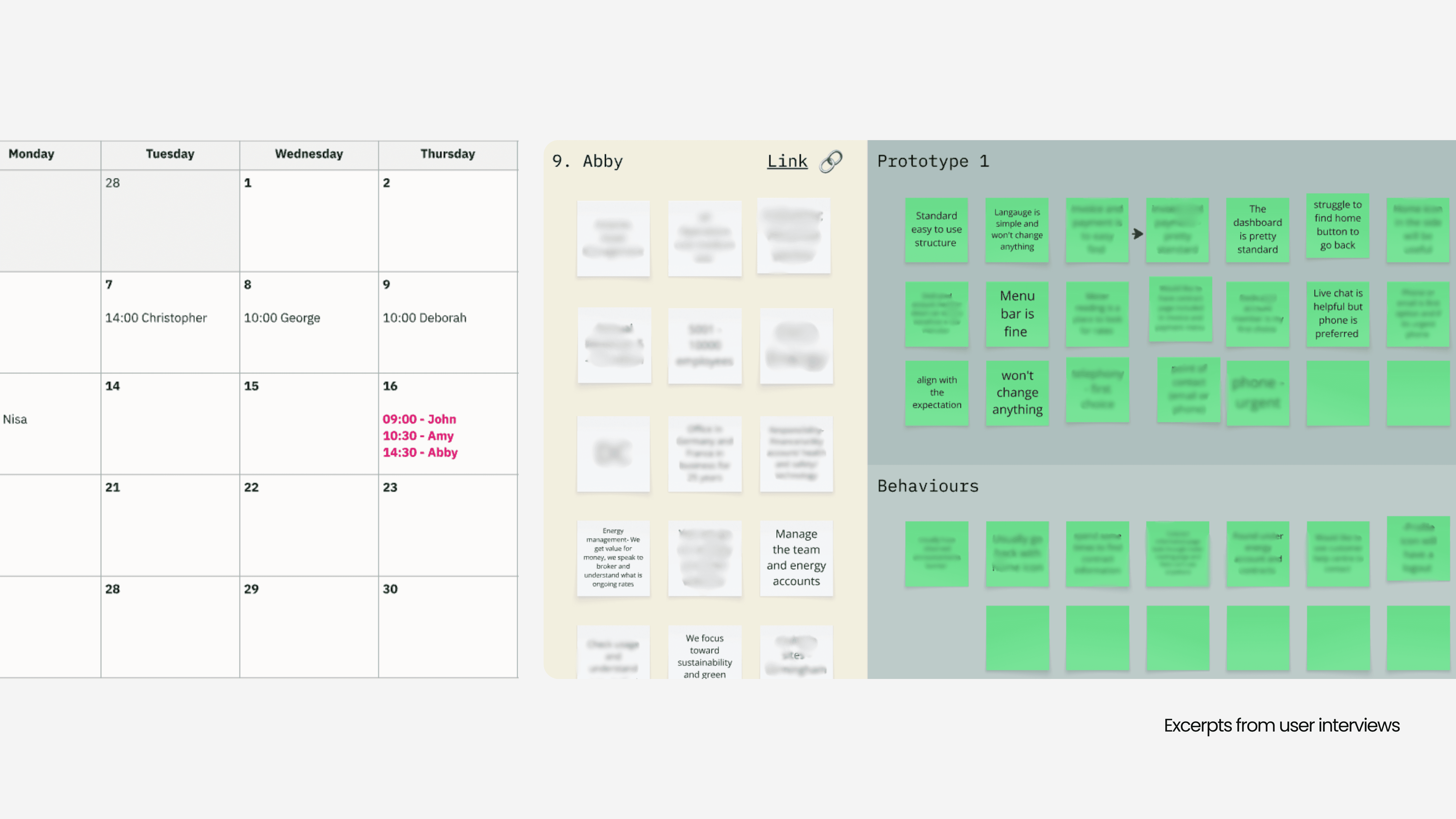
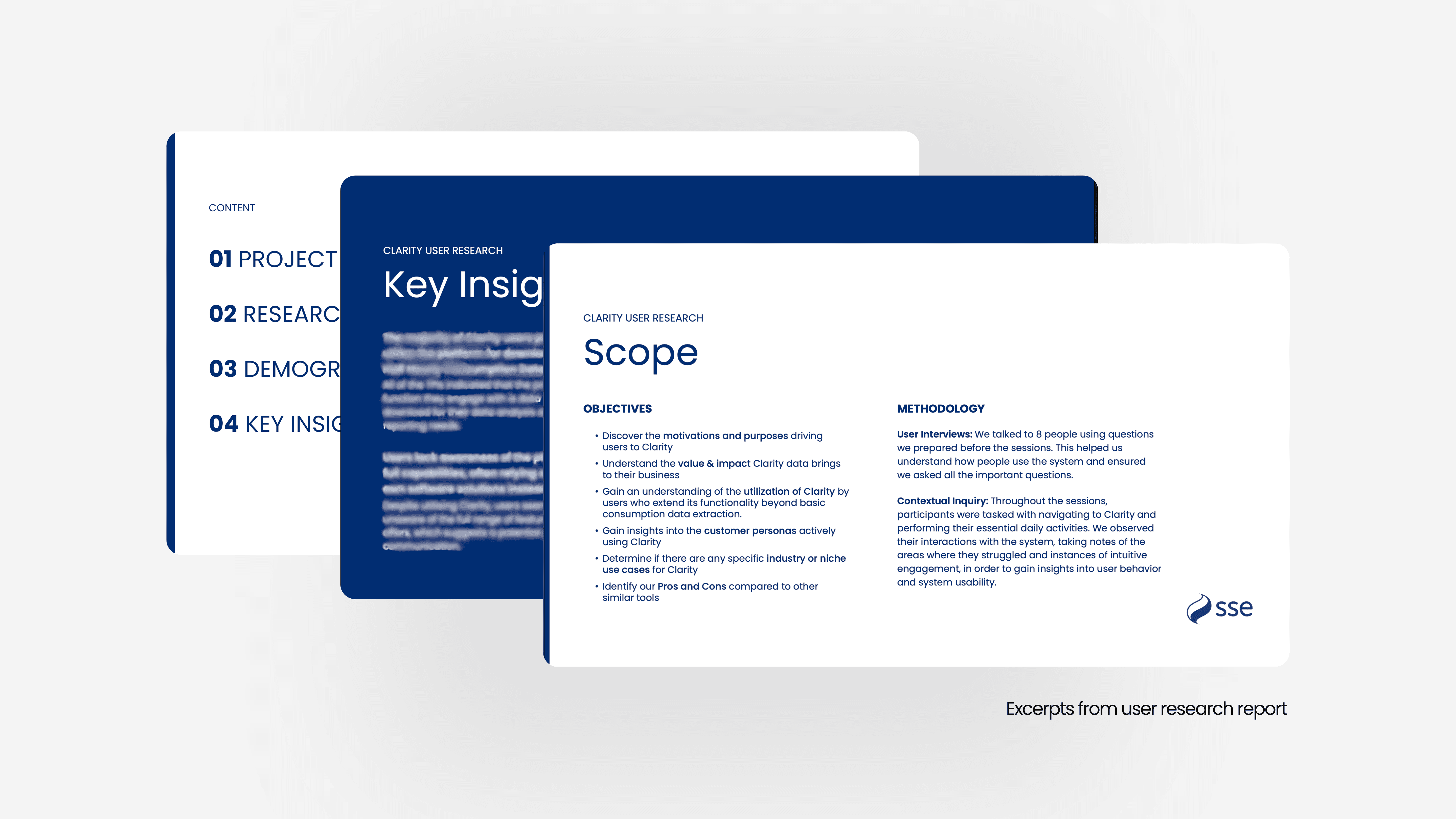
We interviewed business customers who work with half-hourly data regularly, from facilities managers to sustainability officers and finance teams. We asked them to walk us through their real workflows: where they get the data from, how they use it, and what they struggle with.
One insight stood out immediately: The most important thing for customers wasn’t the visualisation at all - it was the ability to download clean, reliable data so they could use it in their own internal systems.
For many businesses, half-hourly consumption data isn’t something they “view” - it’s something they plug into their own forecasting tools, operational dashboards, and compliance processes. If the data wasn’t easy to export, complete, or consistent, their entire workflow broke down.
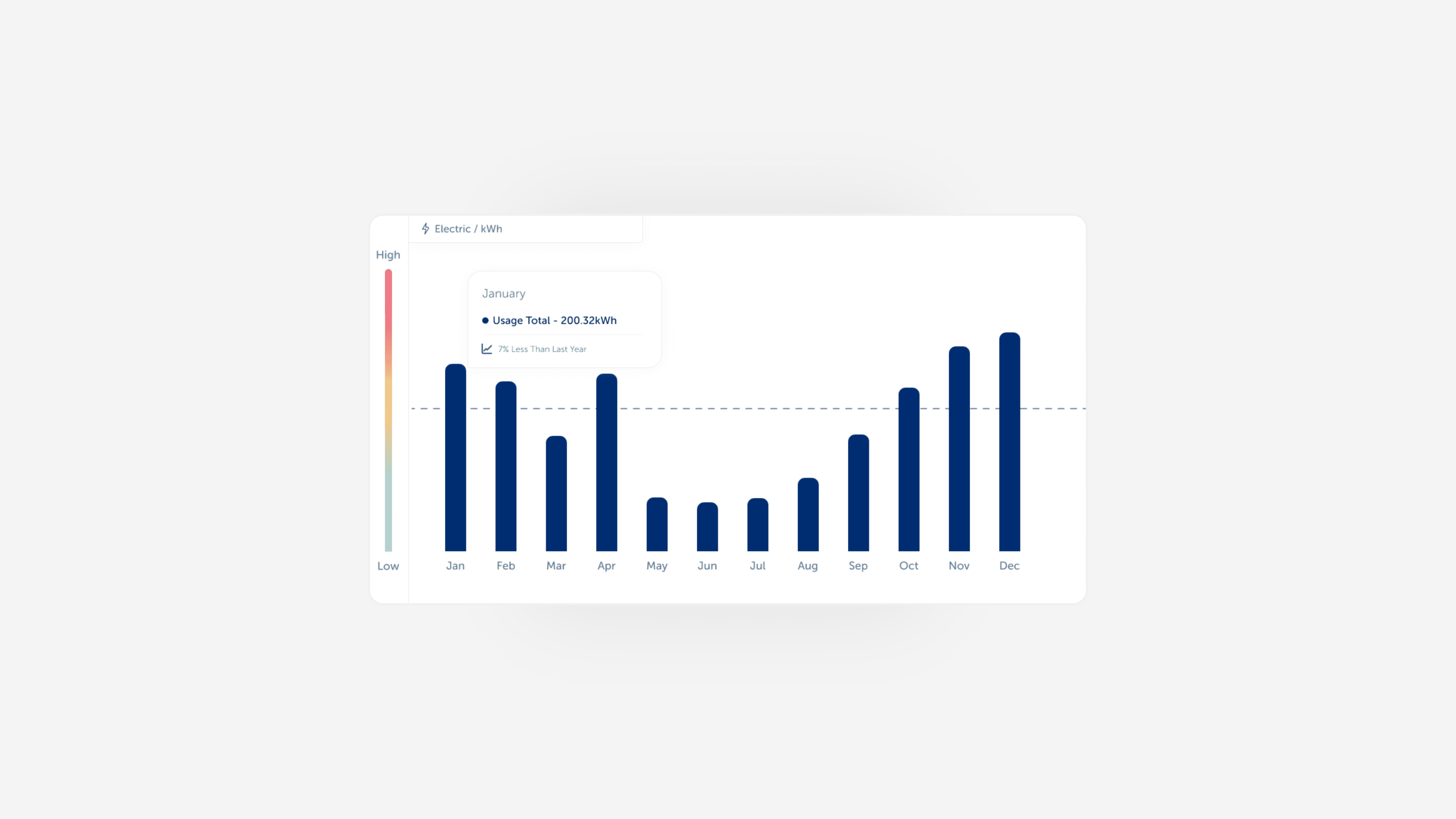
The second most important need — but still a major one — was having a clear visualisation for reporting. Customers wanted to be able to quickly identify spikes, irregularities, or unexpected patterns without having to manually sift through thousands of rows of data.
These two needs shaped everything that followed: - Data download first - Visual clarity second This gave the project a very grounded, user-led direction.
Ideation & Design
With those insights in mind, I started exploring how we could support both workflows.
For data-driven users:
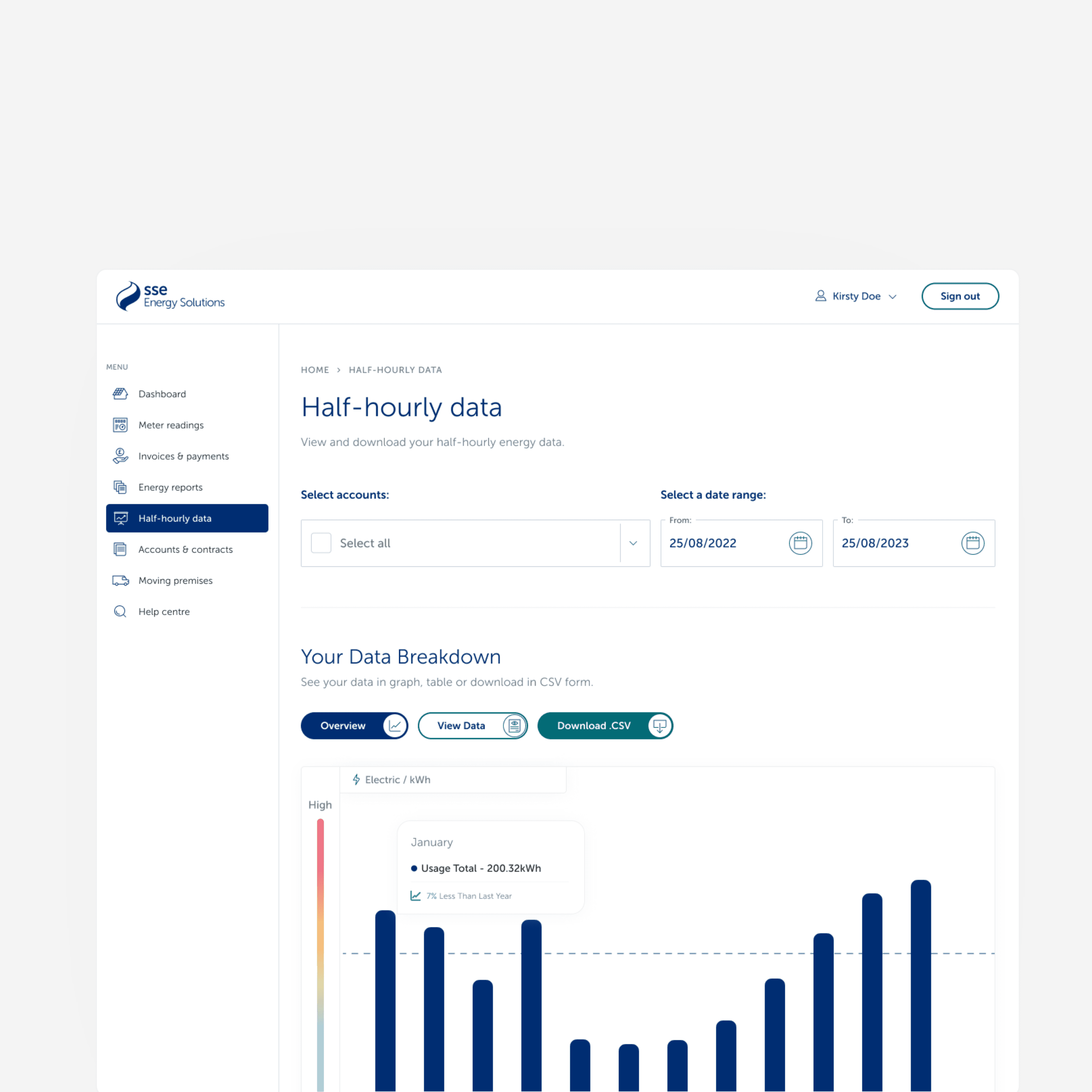
We prioritised the download experience
Simplified formats
Clear labelling and timestamps
Consistent structures that fit directly into customer systems
A more dependable, predictable export process
For visual/reporting users I sketched concepts for:
Clear daily and weekly usage patterns
Comparisons against typical usage
Friendly, readable language
Charts that were easy to understand at a glance
Once we aligned on the structure, I created wireframes and then moved into visual design, ensuring the layout worked both as an interactive digital experience and as exported/printable reports. The goal was simple: Give customers control over their data, while still offering clarity for those who need quick insights.
Impact
Reduced customer support requests regarding half-hourly data download by 35%, enabling faster access to consumption insights and cost analysis.